
10 E-Commerce SEO Mistakes Bangladeshi Online Stores Make
Most e-commerce SEO mistakes aren’t dramatic. They’re small, repeated across hundreds of product pages, and quiet enough that a store owner never notices them — right up until a competitor with a cleaner setup starts outranking them for the exact products they sell.


Most e-commerce SEO mistakes aren’t dramatic. They’re small, repeated across hundreds of product pages, and quiet enough that a store owner never notices them — right up until a competitor with a cleaner setup starts outranking them for the exact products they sell. If your store gets plenty of Facebook traffic but almost nothing from Google Search, one or more of these mistakes is very likely the reason.
Below are the 10 most common e-commerce SEO mistakes we see across Bangladeshi online stores, and what to do about each one.
None of these mistakes are unique to Bangladesh — they show up in online stores everywhere. What makes them worth fixing specifically here is how uncontested organic search still is in most local product categories. Most competing stores are making the exact same mistakes, which means fixing even three or four of the ten below can be enough to meaningfully outrank stores that have been online longer but never addressed their SEO foundation.
1. Using Supplier or Copy-Pasted Product Descriptions
Pulling a product description straight from a supplier’s catalog is one of the most common e-commerce SEO mistakes, because dozens of other stores selling the same product are doing exactly the same thing. Google sees near-identical text across multiple domains and has no reason to rank any of them highly — including yours.
Fix: rewrite descriptions in your own words, focused on what a buyer in Bangladesh specifically wants to know — sizing, warranty, delivery time, and how it compares to similar products you sell. Even two or three original sentences per product, written around real buyer questions, are usually enough to separate a page from the dozen identical listings competing for the same search.
2. Letting Filters Create Thousands of Duplicate URLs
Color, size, and price filters are convenient for shoppers but dangerous for SEO when each combination generates its own indexable URL. A single category can spin off hundreds of near-duplicate pages this way, splitting ranking signals across all of them instead of consolidating authority on one strong page.
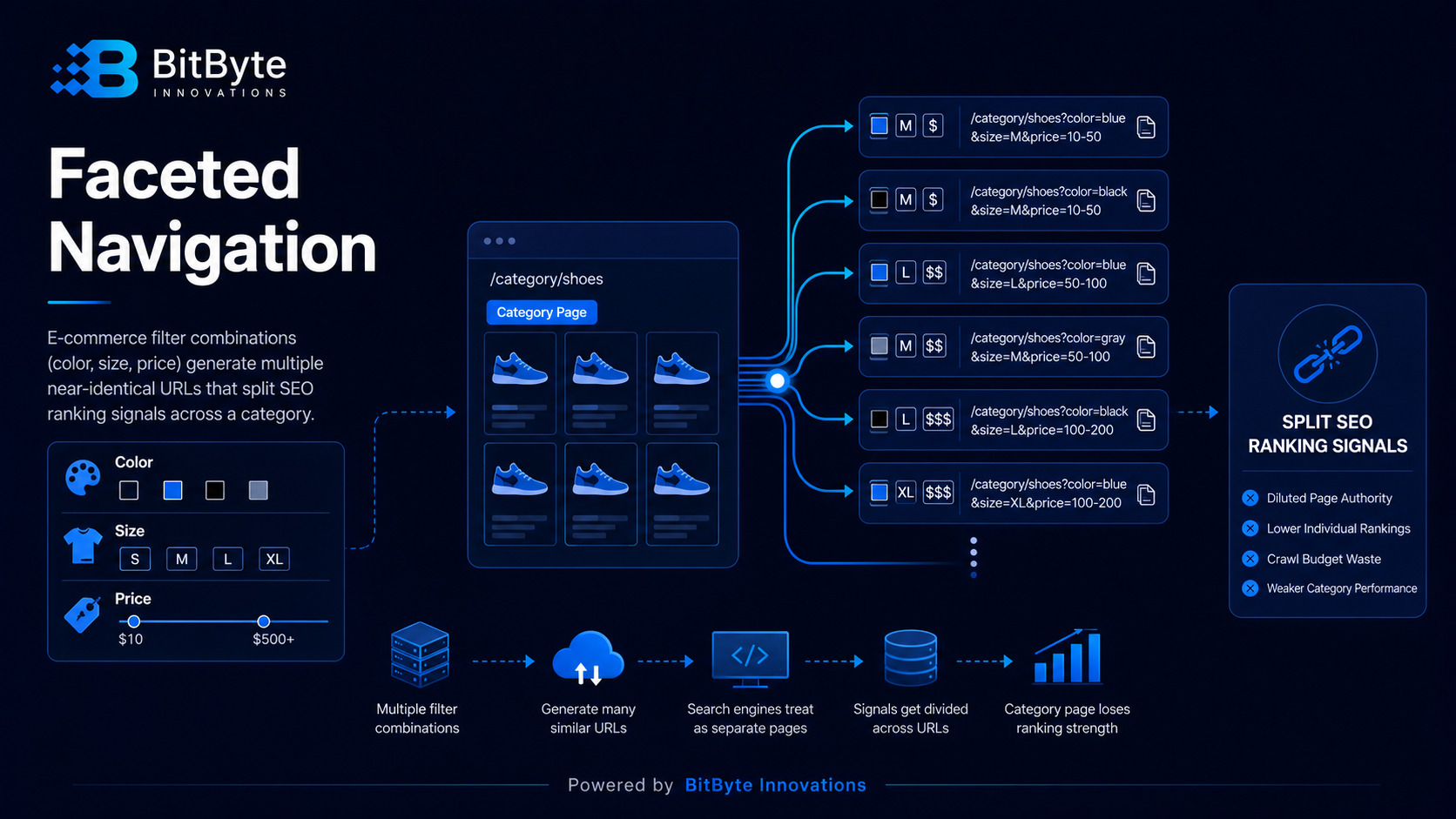
Fix: use canonical tags pointing filtered URLs back to the main category page, and block low-value filter combinations from being indexed at all. This one fix alone often recovers rankings for a category page that’s been quietly competing against its own filtered variations for months.
3. No Unique Content on Category Pages
Many stores treat category pages as nothing more than a product grid, with zero descriptive text. That’s a missed opportunity, since category pages often have far more ranking potential than individual products — they target broader, higher-volume search terms.
Fix: add a short, genuinely useful paragraph to each category page — what the category covers, how to choose within it, and any relevant local context. This doesn’t need to read like a blog post; two or three well-written sentences above the product grid is usually enough to give Google actual text to match against a search query.
4. Slow-Loading Product and Category Pages
A slow product page loses both rankings and sales, and this hits especially hard on mobile connections, which make up the majority of e-commerce traffic in Bangladesh. Unoptimized product images are usually the single biggest cause.
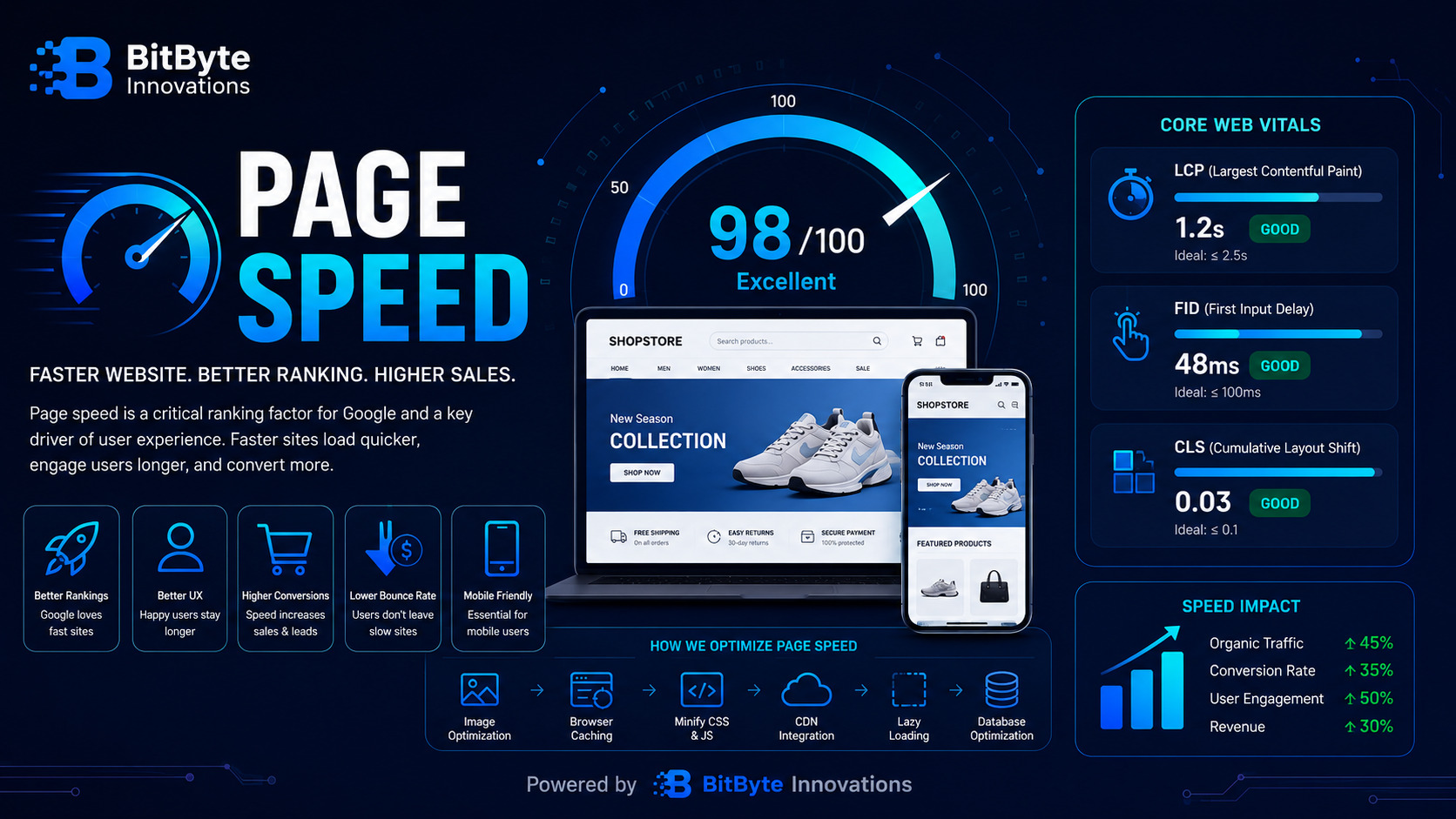
Fix: compress and lazy-load product images, and test Core Web Vitals scores regularly rather than only once at launch. A category page that loads in under two seconds on a mid-range phone will consistently outperform a visually similar page that takes five or six, even before ranking factors are considered — slow pages simply lose shoppers before they finish loading.
5. Missing Schema Markup
Without Product, Review, and AggregateRating schema, your listings show up in search results as plain blue links while competitors’ products appear with star ratings, price, and stock status. That difference alone can shift click-through rate significantly, even at the same ranking position.
Fix: implement structured data across every product page, not just a handful of top sellers. Schema is also one of the fastest wins on this entire list — it requires no new content and often improves click-through rate within days of being added, well before any ranking position actually changes.
6. Weak Internal Linking Between Products
If new or lower-traffic products aren’t linked from anywhere except the homepage or a distant category page, search engines may struggle to find and rank them at all. This is one of the quieter e-commerce SEO mistakes, since the store still looks fine to a human visitor.
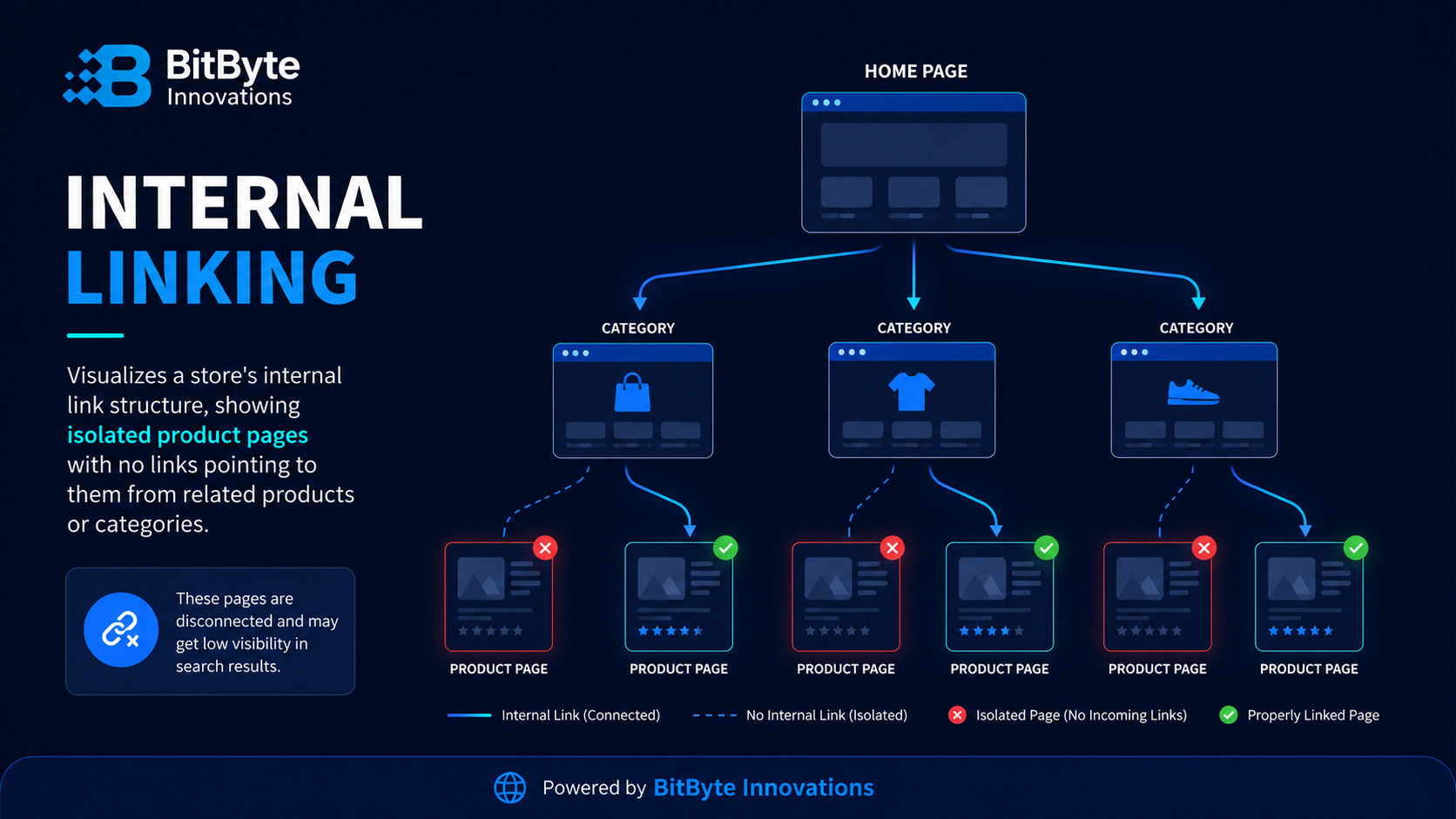
Fix: add “related products” and cross-category links throughout the site, and make sure every product is reachable within a few clicks of the homepage.
7. Leaving Out-of-Stock Pages Live With No Redirect
A discontinued or out-of-stock product page that’s simply left online — or worse, deleted with no redirect — wastes any ranking history that page had built up. Visitors land on a dead end, and Google eventually stops crawling it as valuable.
Fix: redirect discontinued products to the closest matching active product or category, rather than leaving a broken page or a plain 404.
8. Relying Entirely on Facebook Ads for Traffic
This isn’t a technical mistake, but it’s one of the most common strategic ones: treating paid social as the only traffic channel and never investing in organic search. Paid traffic disappears the moment the budget pauses; organic rankings keep sending traffic for months afterward at no incremental cost.
Fix: treat SEO as a parallel, compounding channel alongside paid ads, not a backup plan.
9. No Bangla or Mixed-Language Keyword Targeting
A large share of high-intent local searches happen in Bangla or mixed Bangla-English phrasing, and stores that only optimize in English miss this demand entirely. Competitors targeting local-language search terms can capture buyers your English-only content never reaches.
Fix: research how your specific products are actually searched for locally, and build category and content pages around that phrasing where it makes sense.
10. Never Building Any Supporting Content
Product and category pages alone can only rank for a limited set of direct, commercial keywords. Stores with zero blog or guide content miss the much larger volume of informational searches — buying guides, comparisons, “how to choose” articles — that bring in new visitors earlier in their research, before they’ve picked a specific product.
Fix: publish a small number of genuinely useful buying guides tied to your product categories, and link them back to the relevant category and product pages. A single well-written guide can end up ranking for dozens of related searches a product page alone never could, and it keeps working long after it’s published.
How to Fix These E-Commerce SEO Mistakes
Most of these issues aren’t difficult to fix individually, but they add up — which is exactly why so many otherwise well-run Bangladeshi online stores stay invisible in search while spending heavily on paid ads to compensate. Fixing them usually starts with a proper audit: which pages are duplicated, which are slow, which are missing schema, and which products have no internal links pointing to them at all.

It’s worth being realistic about sequencing, too. Schema and site speed fixes tend to show impact fastest, since they don’t require rewriting content across an entire catalog. Content-heavy fixes — rewriting descriptions, adding category copy, publishing buying guides — take longer but tend to compound over months rather than plateauing the way a one-time technical fix eventually does. A sensible order is usually: fix the technical issues first, then work through content in order of highest-traffic pages.
BitByte Innovations’ e-commerce SEO services cover exactly this — product and category page optimization, technical fixes, schema implementation, site speed, and the internal linking structure that ties a large catalog together. If your store is getting plenty of social traffic but very little from search, that gap is worth closing.
Frequently Asked Questions
What’s the most common e-commerce SEO mistake?
Thin or copy-pasted product descriptions are the most common, since they create duplicate content across multiple competing stores selling the same product.
Can fixing these mistakes really increase organic traffic?
Yes. Technical fixes like schema markup and site speed often show impact within weeks, while content and internal linking improvements typically compound over several months. Most stores see the clearest early signal in click-through rate and impressions in Search Console, well before rankings themselves move significantly.
Do small stores need to worry about all 10 of these?
Not equally. A smaller catalog is less exposed to faceted-navigation duplication, for example, but thin content, missing schema, and slow page speed affect stores of every size.
Ready to fix these on your own store? Get a free e-commerce SEO audit from BitByte Innovations →